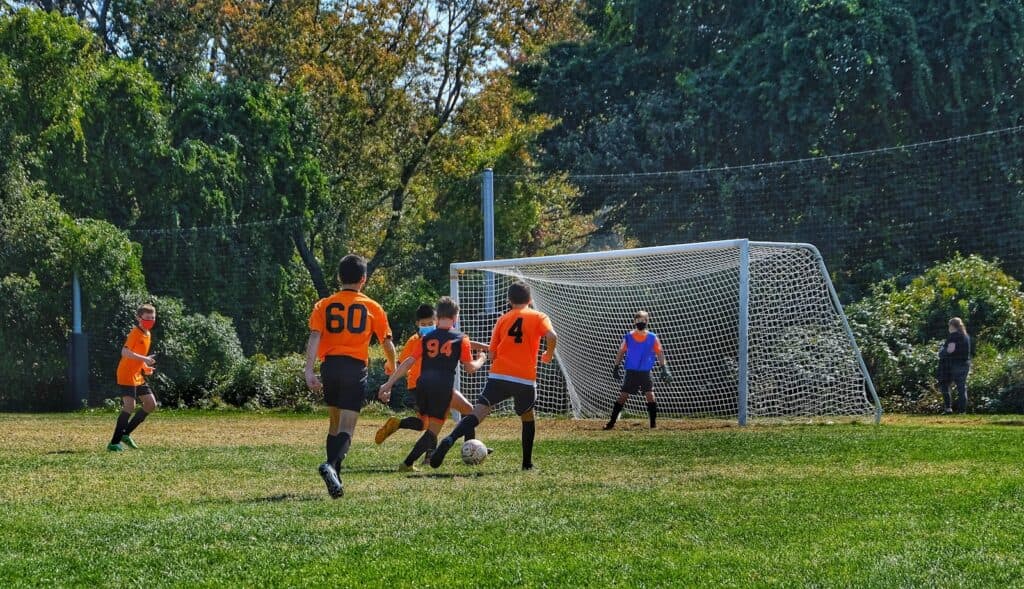
Growing pains represent a legitimate orthopedic condition affecting tweens and teens during rapid growth phases. The pain typically manifests in the knees and heels, specifically where the quadriceps attach below the kneecap and where the Achilles tendon connects to the heel.
The Mechanism Behind Growing Pains
During growth spurts, the femur and tibia elongate rapidly. However, the quadriceps and calf muscles don't necessarily grow at the same rate as the bones. This disparity becomes especially pronounced in athletic children engaged in running and jumping activities. The muscles become overworked and certain sections contract excessively, creating shortened muscle tissue.
As bones expand, these contracted muscles exert increasing force at their attachment points—the tibial tuberosity below the kneecap and the heel beneath the Achilles tendon. This excessive tension irritates the tendon-bone attachment.
Potential Complications
Left untreated, growing pains can progress to more serious conditions:
- Osgood Schlatter's disease: Results in excessive bony growth below the kneecap with significant tenderness
- Sever's disease: Involves growth plate irritation in the heel, potentially causing bone slippage, misalignment, pain, or stunted growth
Osgood Schlatter's typically leaves only cosmetic effects long-term, though Sever's disease carries greater risk of lasting complications.
Effective Treatment Approaches
The primary treatment goal involves helping muscles relax and elongate. Interestingly, traditional stretching isn't recommended because stretch sensation signals abnormally high muscle tension. Forceful stretching can trigger protective muscle contraction.
Instead, massage and trigger point release work effectively:
For knee pain (quadriceps treatment):
- Use a rolling pin on the front thigh
- Cover the inside, outside, and all surfaces of the thigh
- Spend approximately 30 minutes daily (can split into two 15-minute sessions)
For heel pain (calf treatment):
- Use a foam roller or 2-liter bottle
- This passive approach allows children to self-treat during leisure activities
- Maintain the same 30-minute daily schedule
Treatment Duration and Success Indicators
Continue treatment until tender spots diminish significantly. Over approximately one week, the number of tender areas should decrease noticeably. Once tender spots become minimal (one to three) and resolve quickly, sessions can conclude daily. The child should then be ready to resume full activities with substantially improved comfort.
Recognizing Growing Pains: The Pattern
Authentic growing pains typically follow a consistent pattern: initial discomfort and stiffness when starting activity, improvement during warm-up, returning discomfort post-activity, and intensified pain after cooling down (such as exiting a car). This cyclical pattern distinguishes growing pains from other orthopedic issues.
When to Seek Professional Help
If home treatment doesn't provide immediate improvement within a single 15-minute session, or if concerns persist, consultation with a pediatrician or pediatric orthopedist is warranted.